Inheriting research & development background since 1975, SolarBK is proud to be a pioneer in laying the groundwork for clean energy industry in Vietnam and is now a leading company in this field.
To carry out the mission of applying clean energy into everyday life, we have researched and developed many solutions to make Solar power energy more diverse, convenient and cheaper.
Hot Season 2026: Don’t Let Electricity Costs “Eat Into” Profits, Energy Self-Reliance Strategies for Businesses
Publish date 15/04/2026
Share
Electricity-saving pressure is becoming a real operational requirement
The hot season of 2026 arrived early, increasing pressure on electricity demand across the entire system. In this context, the Government issued Directive 09/CT-TTg and Directive 10/CT-TTg to promote energy savings and the development of rooftop solar under the self-production, self-consumption model.
At the same time, EVN set a target of saving at least 10% of electricity during peak months from April to July. For businesses with high electricity demand, this is not only a short-term operational requirement but also a signal that energy consumption structures need to be redesigned toward a more proactive and efficient direction.
In practice, self-produced rooftop solar power is one of the feasible solutions that helps businesses reduce dependence on grid electricity during peak hours while still meeting energy-saving targets without affecting production plans.
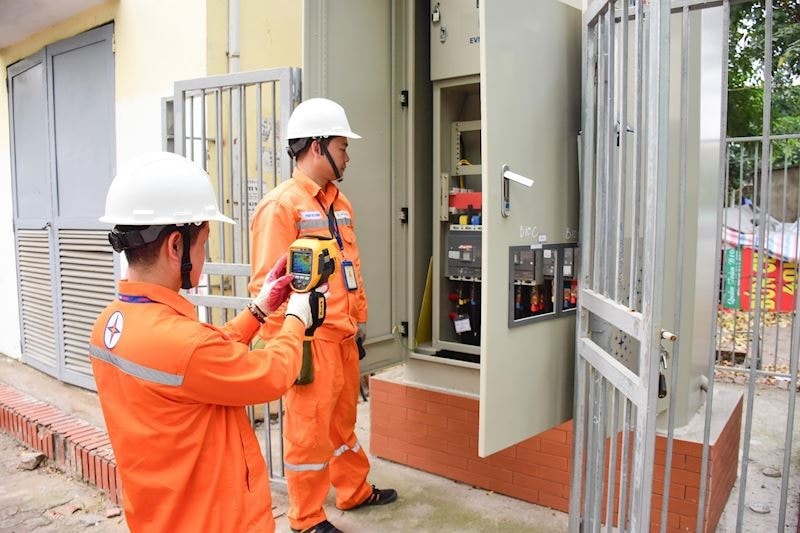
The early arrival of the 2026 hot season has led to increased pressure on electricity demand across the entire power system (Illustrative photo: Hanoi Moi Newspaper).
Peak-season electricity pressure is changing how businesses approach energy
Unlike previous years, summer electricity pressure now comes not only from extreme weather but also from industrial load growth and global supply-chain sustainability requirements.
The power sector is implementing Demand Response (DR) programs, shifting consumption away from peak hours and strengthening real-time energy monitoring. This indicates that businesses are transitioning from passive electricity consumption to proactive energy management.
In this context, the ability to partially self-supply electricity on-site is becoming a practical solution to reduce risks from rising electricity costs during the hot season.
Rooftop solar: A solution to reduce electricity costs without upfront investment
One key orientation of Directive 10/CT-TTg is promoting rooftop solar deployment under the self-production, self-consumption model at manufacturing and business facilities.
When implemented under the Solar ESCO model, businesses can use solar power without initial capital investment. System costs are gradually paid back through actual operational performance, while most technical and operational risks are transferred to the implementation partner. As a result, rooftop solar is no longer a large infrastructure investment but becomes a tool for long-term electricity cost control. Real results from projects deployed across production regions
Actual implementation shows that rooftop solar is becoming an effective financial–energy solution for many manufacturing enterprises in Vietnam.
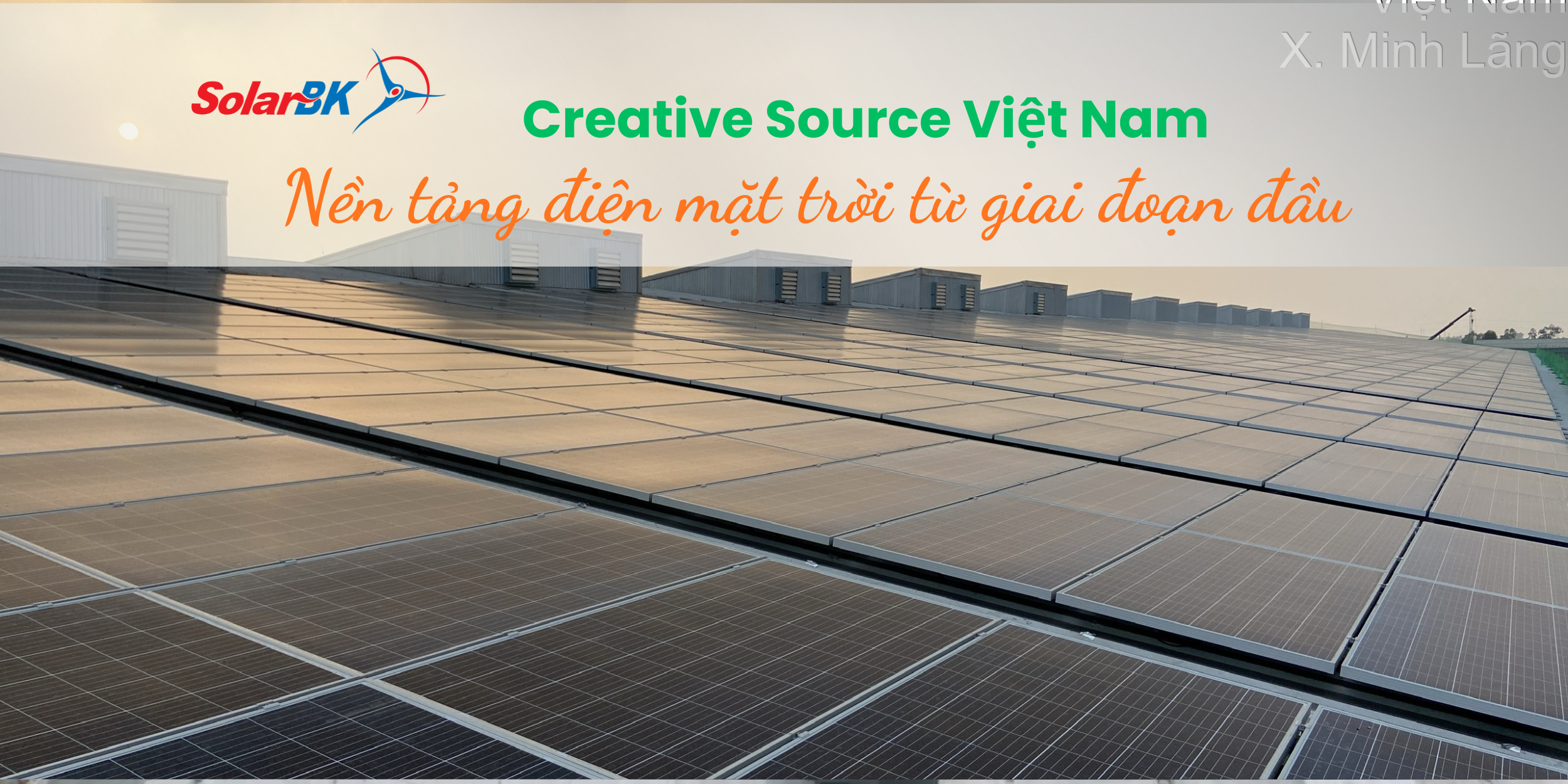
In Hung Yen, a 3.628 MWp rooftop solar system at Creative Source Vietnam generates more than 340,000 kWh per month, helping reduce dependence on grid electricity and supporting sustainability requirements in international supply chains.
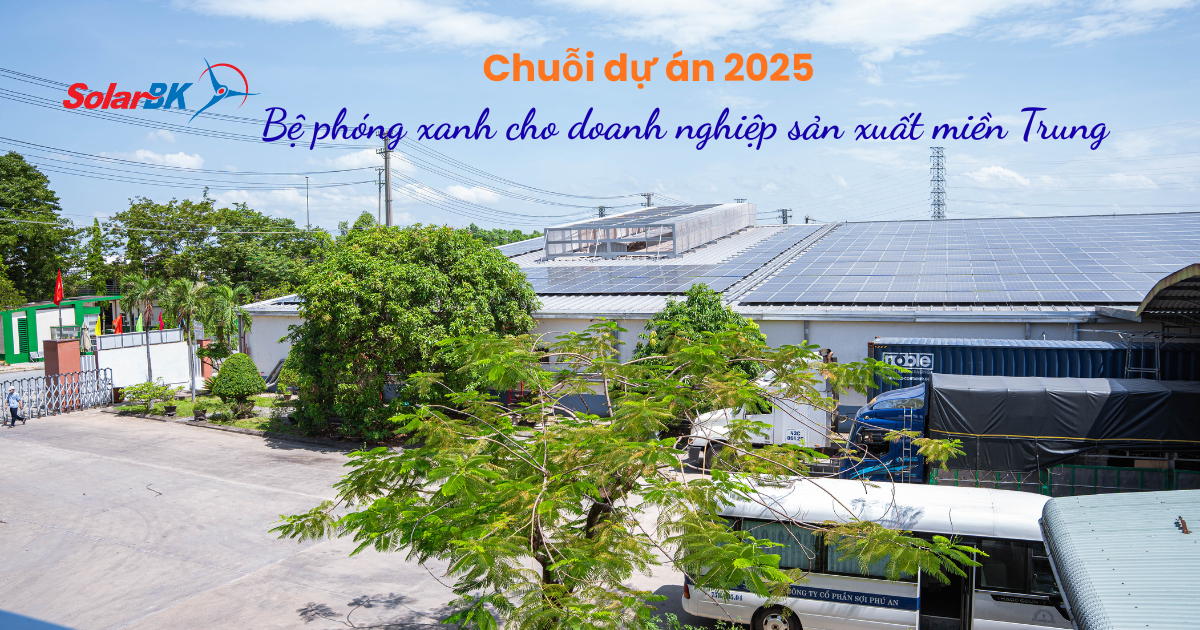
In Hue, a 2.7 MWp rooftop solar system at Phu An Yarn Factory produces about 4 million kWh of clean electricity annually, helping stabilize operating costs as time-of-use electricity pricing becomes clearer.
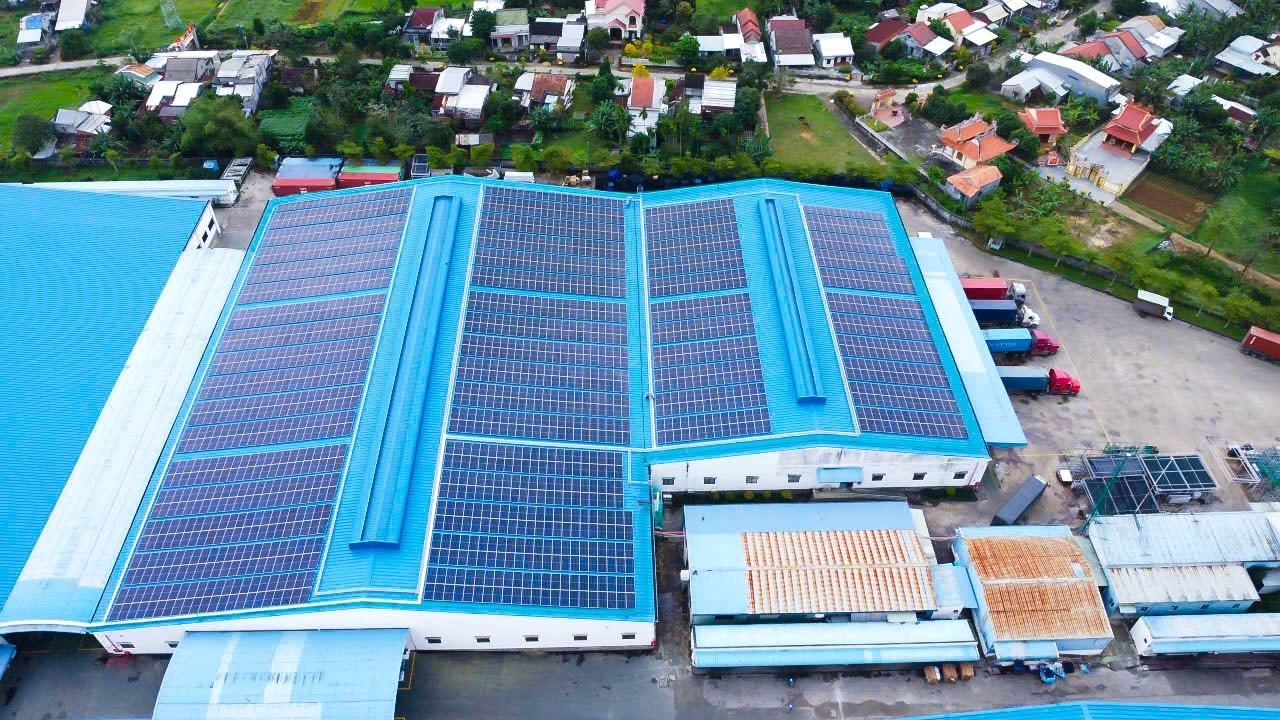
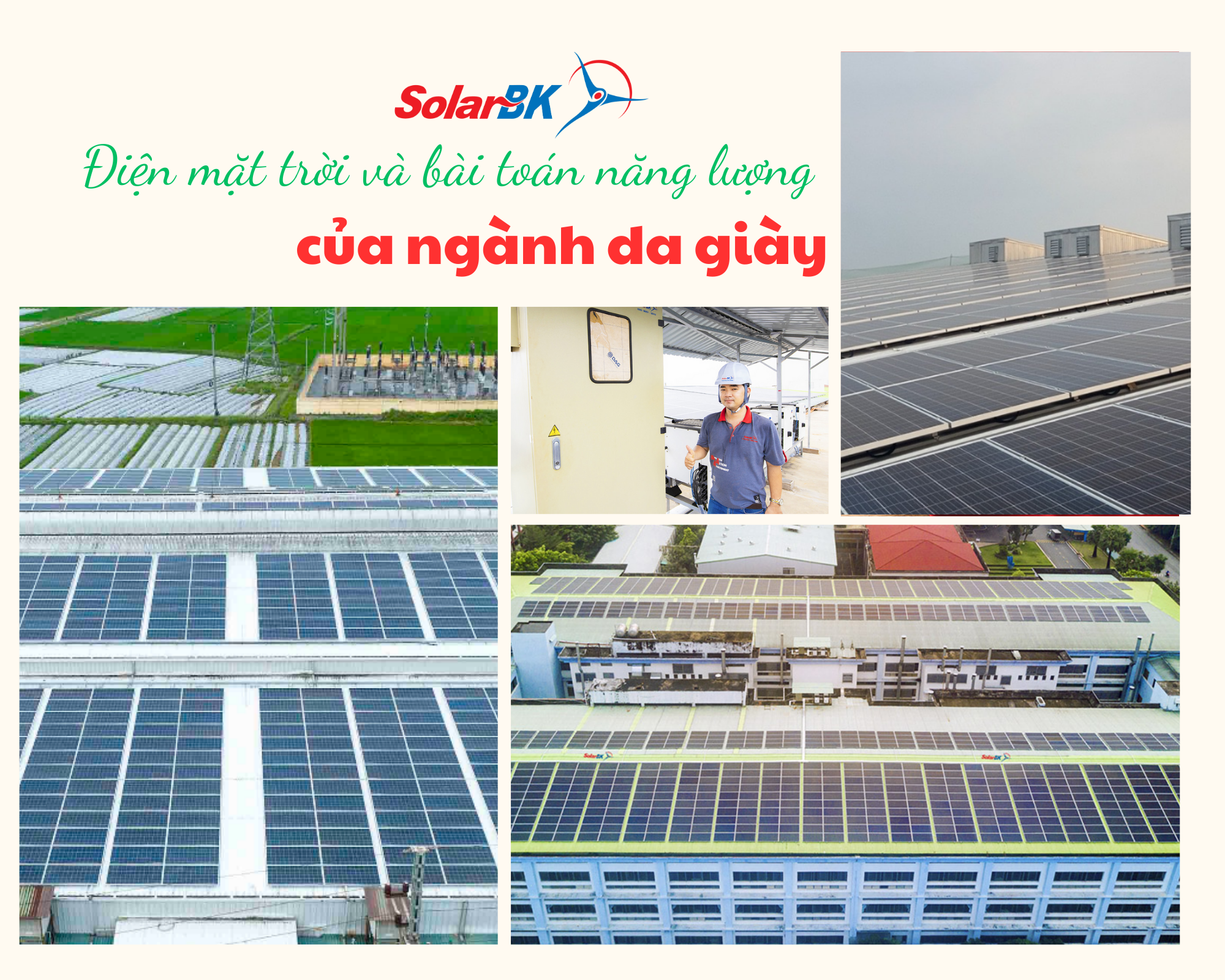
Notably, a 1,624.7 kWp rooftop solar project at Sedo Vinako (Da Nang), implemented under the ESCO model, helps save approximately 2 billion VND per year, reduces more than 1,600 tons of CO₂, and generates about 2,300 I-REC certificates annually for export markets such as the EU, the US, and Canada.
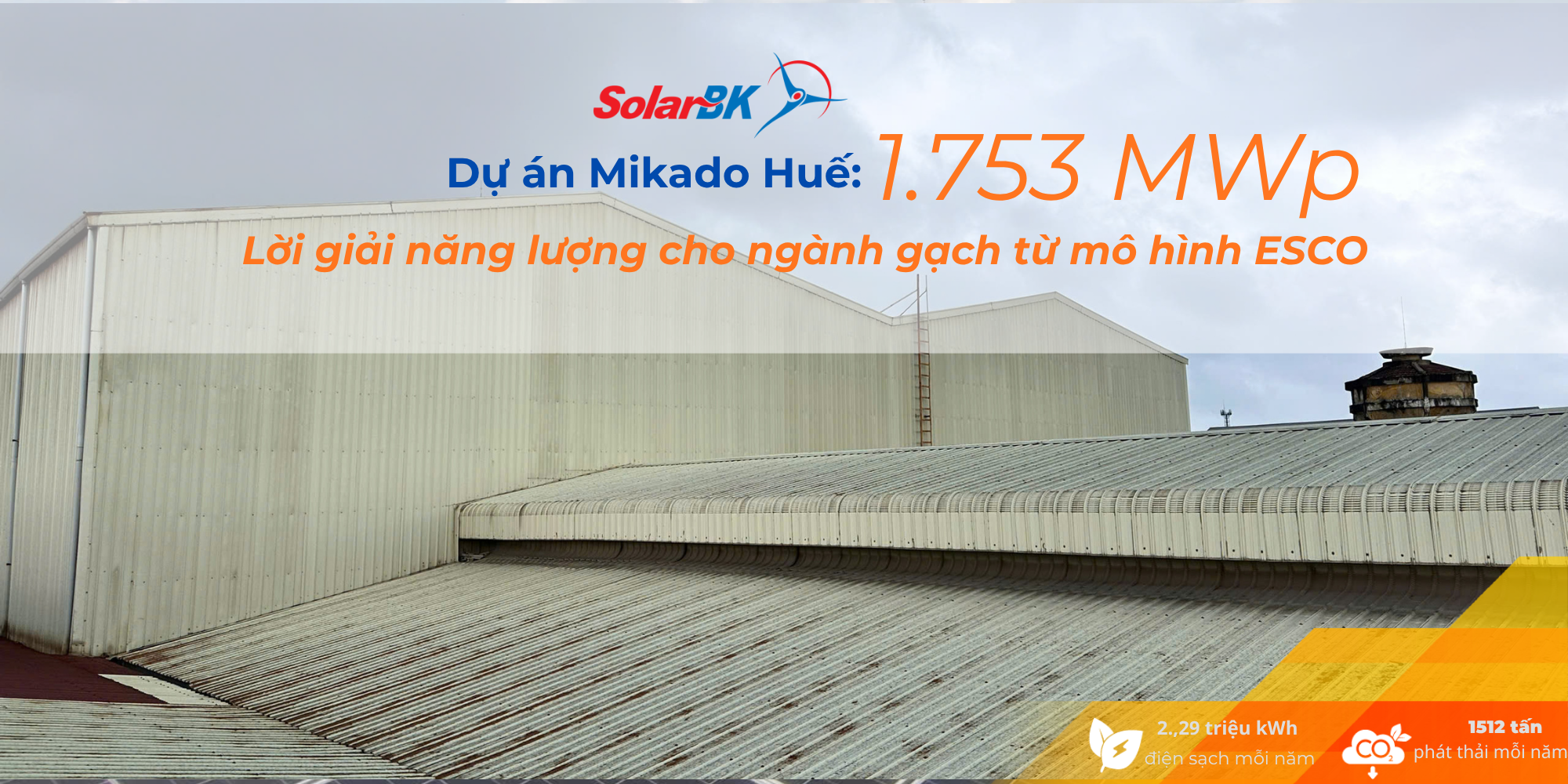
Additional projects at Mikado Hue (1.75 MWp) and MDF VRG Quang Tri (1.87 MWp) further demonstrate the clear trend of energy transition across export manufacturing sectors.
A 1,624.7 kWp rooftop solar project at Sedo Vinako (Da Nang), implemented under the ESCO model, helps save approximately 2 billion VND per year
Energy self-reliance is becoming a new competitive advantage for businesses
Under peak-season electricity pressure, businesses can approach energy strategy through three steps: control, optimize, and sustain.
Digitalizing electricity consumption data helps businesses better understand load structures in real time. Demand response solutions reduce peak-hour electricity costs and minimize production disruption risks. Finally, deploying rooftop solar under the ESCO model enables long-term electricity cost stabilization without large upfront investment.
The hot season of 2026 is not only an operational challenge but also reflects structural changes in business energy consumption. As electricity demand continues to rise alongside stricter requirements for energy savings and emission reductions, the ability to proactively generate on-site electricity is becoming a key factor in long-term competitiveness.
Businesses can begin by assessing current electricity usage and rooftop solar potential to estimate achievable savings during this year’s peak season and within long-term operational strategies.
Don’t let summer electricity bills affect your 2026 profit plan.
Our engineering and financial expert team is ready to support businesses in roof assessments and optimal electricity-saving solution calculations.