Inheriting research & development background since 1975, SolarBK is proud to be a pioneer in laying the groundwork for clean energy industry in Vietnam and is now a leading company in this field.
To carry out the mission of applying clean energy into everyday life, we have researched and developed many solutions to make Solar power energy more diverse, convenient and cheaper.
January 2026 Newsletter: Green Power – Eco-Industrial Parks – Exports: Three Pillars Shaping the Energy Market
Publish date 03/02/2026
Share
Vietnam’s energy market enters a new operational phase
January 2026 marks a new phase in Vietnam’s energy market, where electricity, manufacturing, and exports are no longer separate domains. Green power is shifting from an “encouraged solution” to a foundational requirement for businesses to maintain export orders, meet ESG commitments, and integrate more deeply into global supply chains.
Green Buildings and Sustainable Finance: Infrastructure for Manufacturing
According to the IFC Vietnam Green Building Market Overview 2025, by the end of 2025 Vietnam recorded 780 green-certified buildings, totaling 18.6 million square meters of floor area.
In 2025 alone, 196 new green buildings were added, up 20% year-on-year. Residential projects accounted for 30%, while industrial factories represented 28%, playing a leading role.
Notably, green industrial floor area increased by 54%, indicating that green standards have become an integral part of manufacturing infrastructure rather than symbolic pilot projects.
Power Market and Policy: DPPA Moves into Practical Implementation
The expansion of the Direct Power Purchase Agreement (DPPA) mechanism under Resolution 253/2025/QH15 allows enterprises and industrial parks to directly negotiate renewable electricity prices with power generators. This policy is expected to enhance market transparency, promote competition, and enable businesses to proactively secure green power supplies.
Together with the 2024 Electricity Law and related decrees and circulars, Vietnam’s regulatory framework for renewable energy, rooftop solar, and energy storage is gradually being completed, shifting regulatory focus from incentives toward operational discipline and data transparency.
Rooftop Solar and Energy Storage: New Operational Components for Enterprises
Amid growing pressure to reduce emissions and optimize energy costs, rooftop solar continues to be a preferred solution for enterprises, particularly in industrial zones. The rise of self-generation and self-consumption in 2025 contributed to electricity demand growing more slowly than GDP, highlighting the expanding role of distributed energy resources.
In parallel, the issuance of technical standards for battery energy storage systems (BESS) in January confirms that energy storage is now recognized as an official infrastructure component, supporting renewable integration and improving grid flexibility.
SolarBK Activities in January: Operational Performance Builds Trust
Within this broader context, rooftop solar projects implemented by SolarBK continue to reflect a clear trend among FDI enterprises: partner selection is increasingly based on proven operational performance.
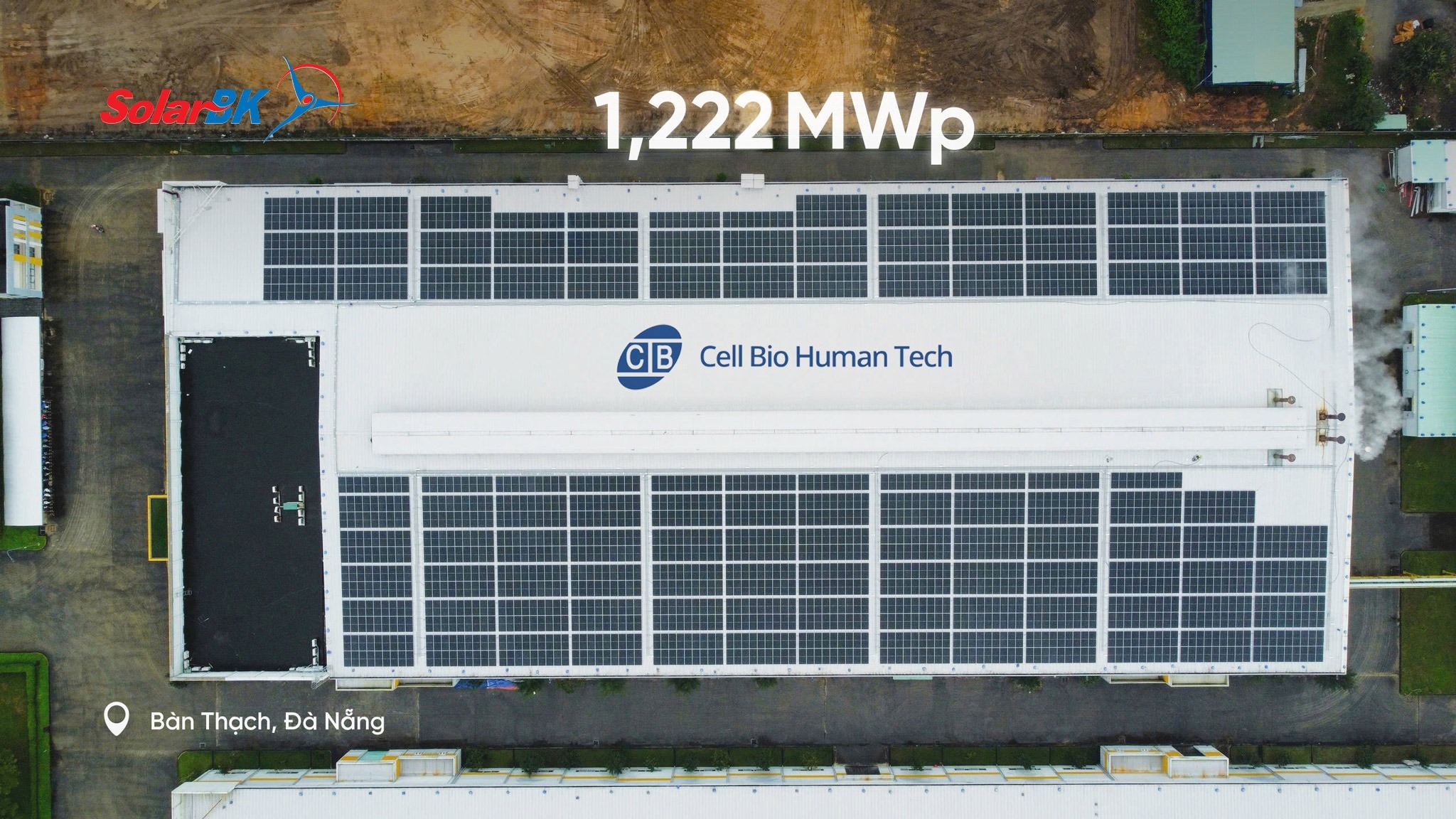
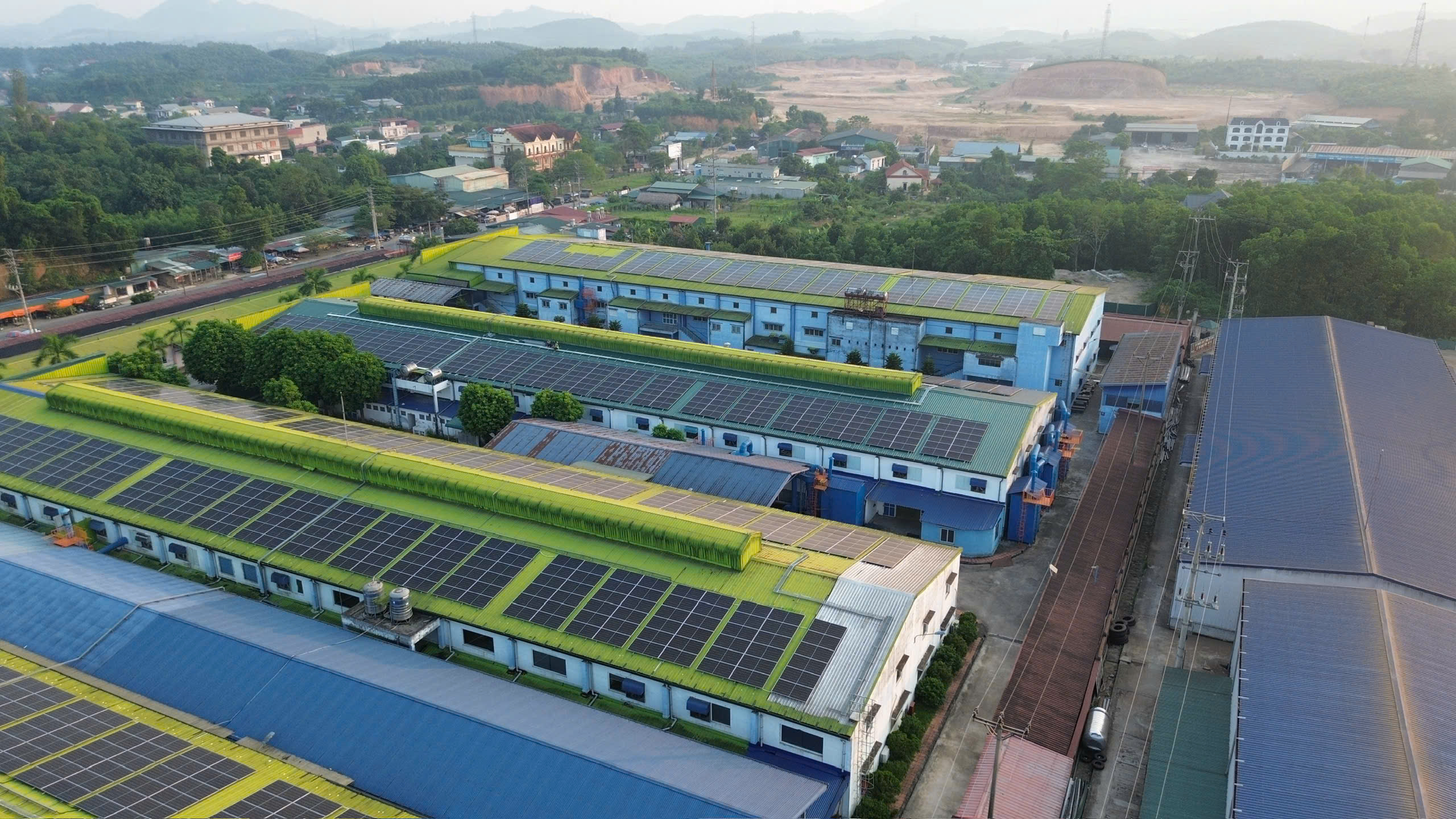
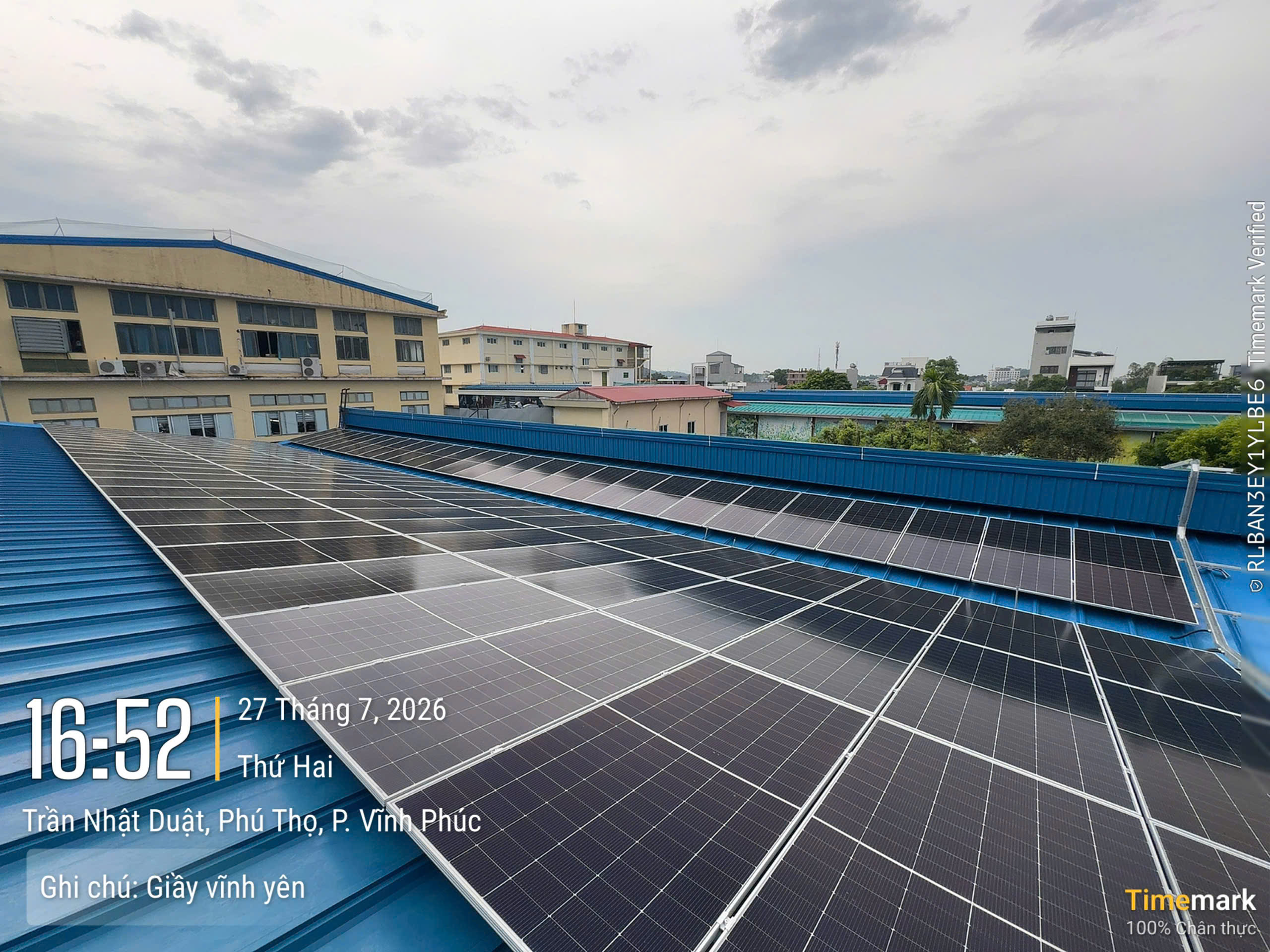
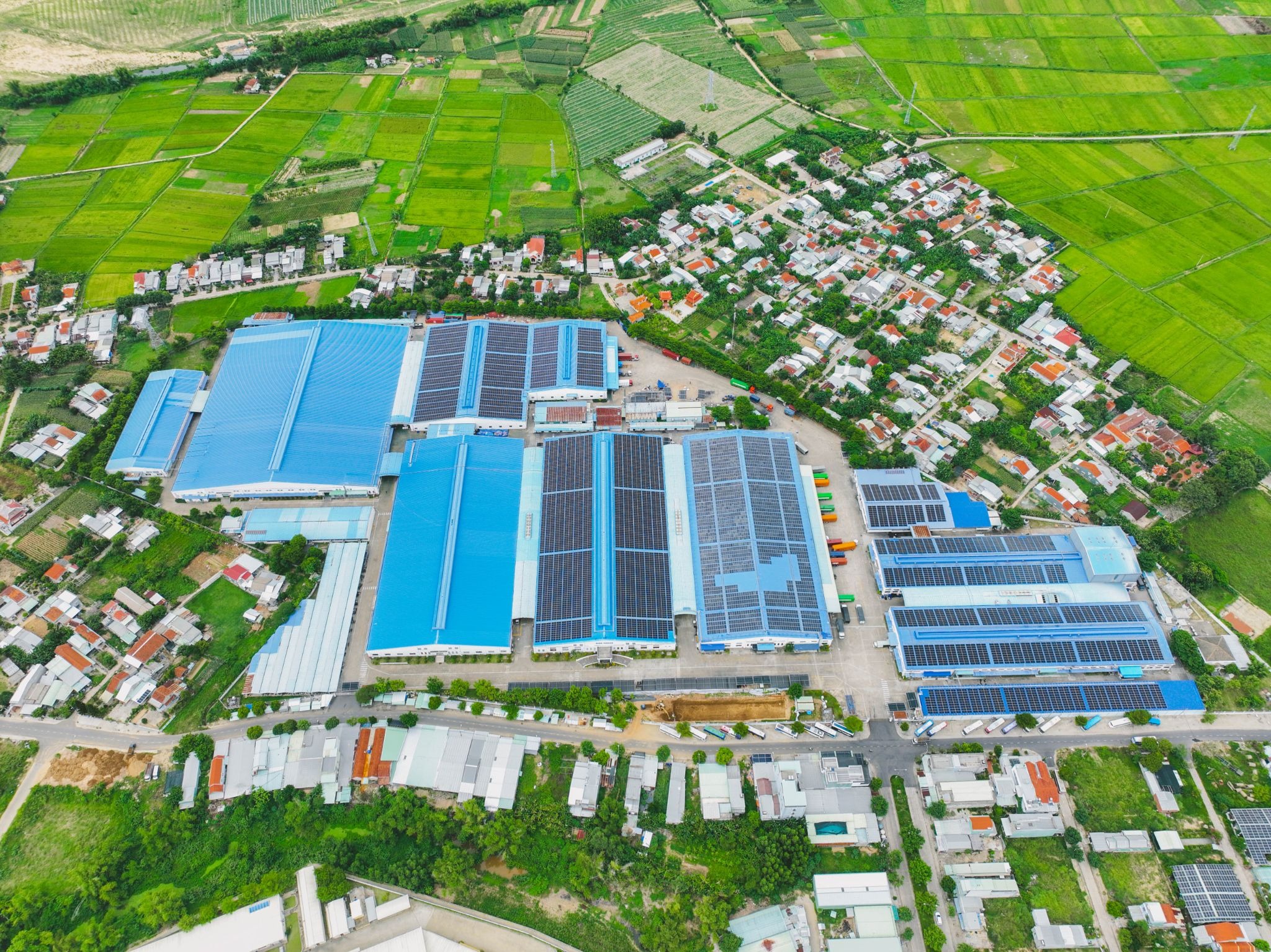
A notable example is the 1.222 MWp rooftop solar project at Cell Bio Human Tech Vina (Da Nang), a Korean FDI enterprise supplying materials for the cosmetics and personal care industry. The project was completed and commissioned in January 2026, generating approximately 1,825 MWh annually, equivalent to 1,825 iREC certificates, and reducing more than 1,200 tons of CO₂ emissions per year.
A notable example is the 1.222 MWp rooftop solar project at Cell Bio Human Tech Vina
For Cell Bio, rooftop solar is not merely a cost-optimization tool but a core component of its ESG operating framework, supporting emissions transparency and export competitiveness.
Previously, the rooftop solar project at Sedo Vinako (Da Nang), also a Korean FDI enterprise, served as an important milestone, demonstrating tangible cost savings, iREC generation, and emissions reduction. These results strengthened trust within the Korean business community and laid the foundation for SolarBK’s continued selection in subsequent projects, including Cell Bio Human Tech Vina.
This approach underscores that rooftop solar is no longer just a capital investment, but an embedded element of corporate ESG operations.
Eco-Industrial Parks and Green Energy Investment
January also saw concrete progress in the development of eco-industrial parks, with new projects integrating clean energy, environmental management, and digital infrastructure. This reflects the increasingly explicit expectations of next-generation FDI capital: industrial parks must deliver not only land and logistics, but green-compliant energy infrastructure from the outset.
January 2026 Outlook
Overall, Vietnam’s energy market is being shaped by three core pillars: green power – eco-industrial parks – exports. DPPA, rooftop solar, and energy storage are transitioning from pilot initiatives to real-world operation, while pressure from ESG requirements and CBAM is pushing enterprises to act sooner.
Companies that move early in renewable energy adoption and energy governance will gain clear advantages in cost efficiency, access to EU–US markets, and long-term competitiveness. January 2026 therefore represents not just the start of a new year, but a milestone signaling that Vietnam’s energy transition has entered a substantive, operational phase.