Inheriting research & development background since 1975, SolarBK is proud to be a pioneer in laying the groundwork for clean energy industry in Vietnam and is now a leading company in this field.
To carry out the mission of applying clean energy into everyday life, we have researched and developed many solutions to make Solar power energy more diverse, convenient and cheaper.
SolarBK at Smart Factory 2026: Redefining “Energy Autonomy”
Publish date 03/10/2026
Share
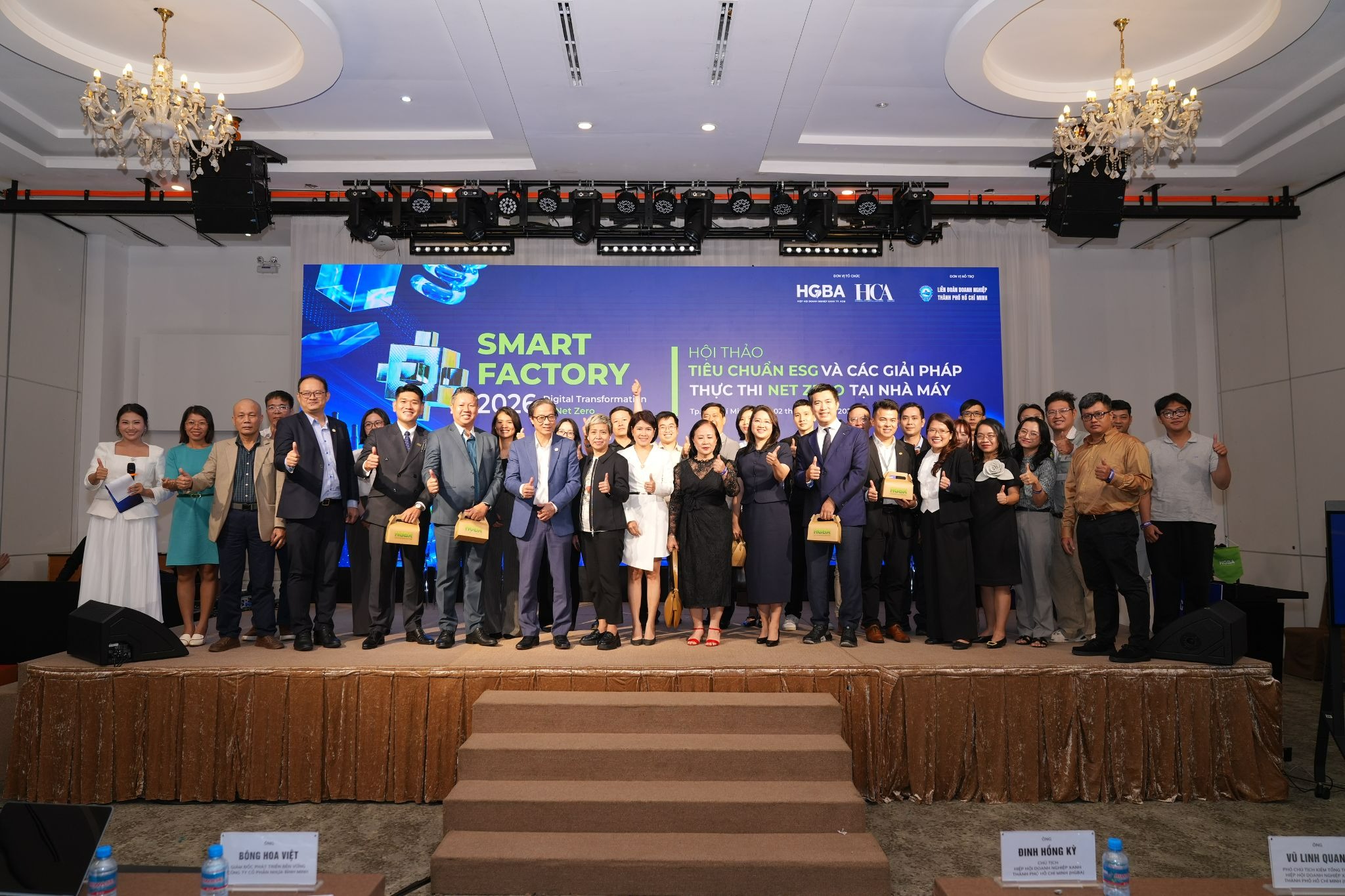
The transition to clean energy is becoming an integral part of manufacturers’ ESG and Net Zero agendas. Yet amid growing pressure to reduce emissions while preserving capital for core operations, how should factories invest in energy? At Smart Factory 2026, SolarBK reframed “energy autonomy”, not as complete independence from the grid or the need to own every energy asset, but as greater control over energy costs, sources, emissions and operational risks, enabling businesses to grow with greater confidence.
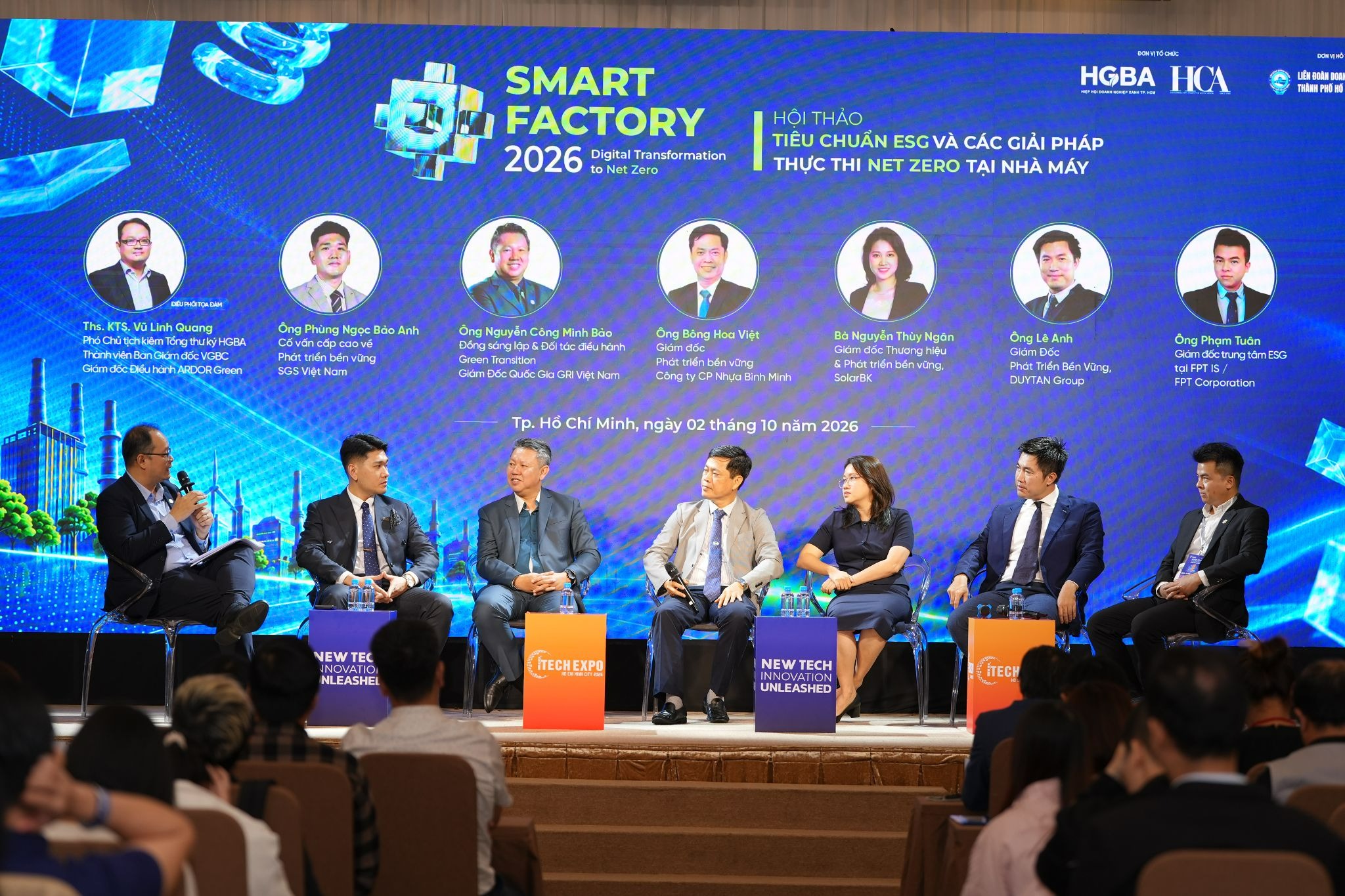
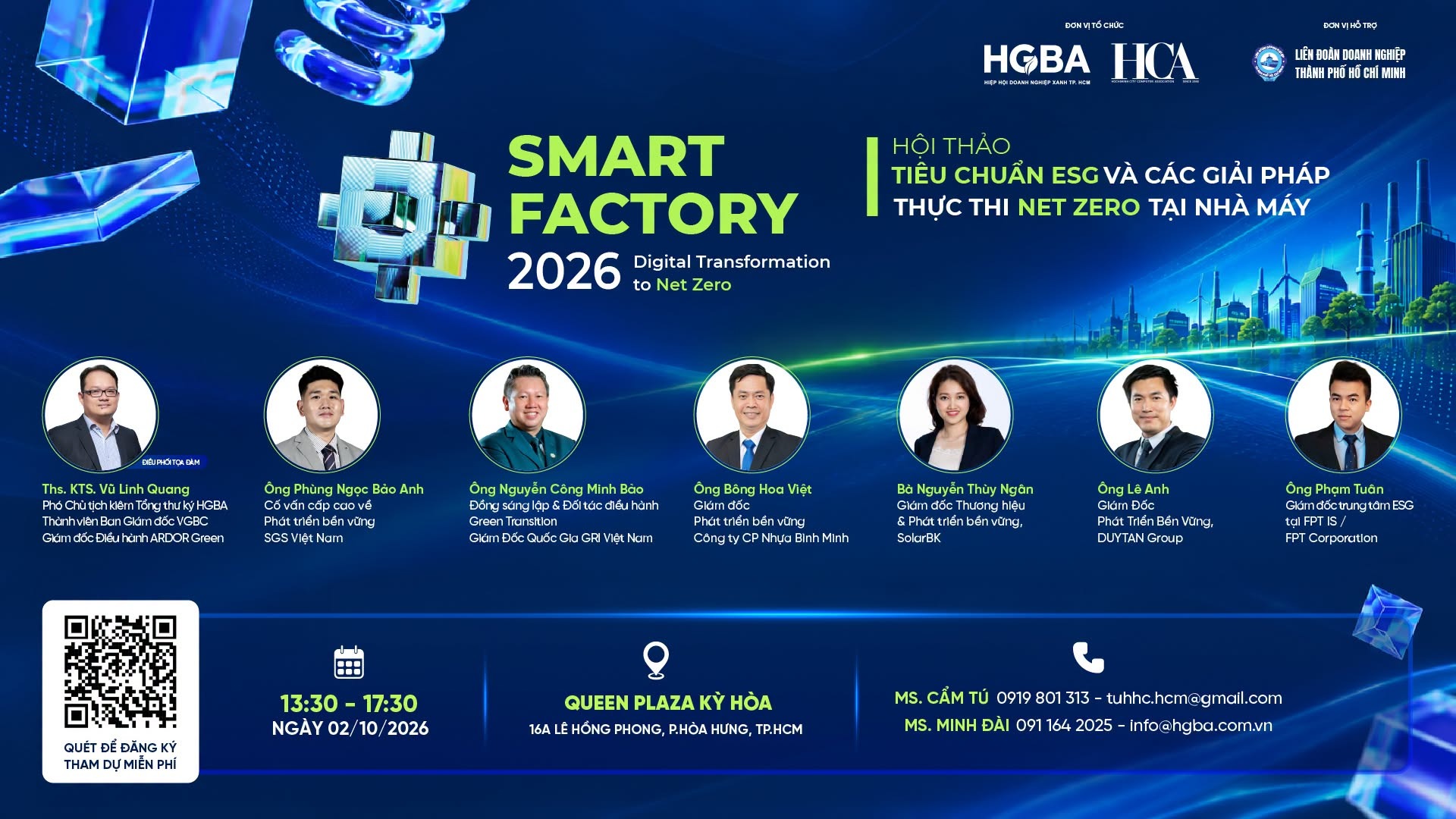
At the seminar “ESG Standards and Net Zero Implementation Solutions for Factories 2026” on October 2, the green transition was discussed from an increasingly practical perspective: ESG and Net Zero must ultimately translate into measurable business value.
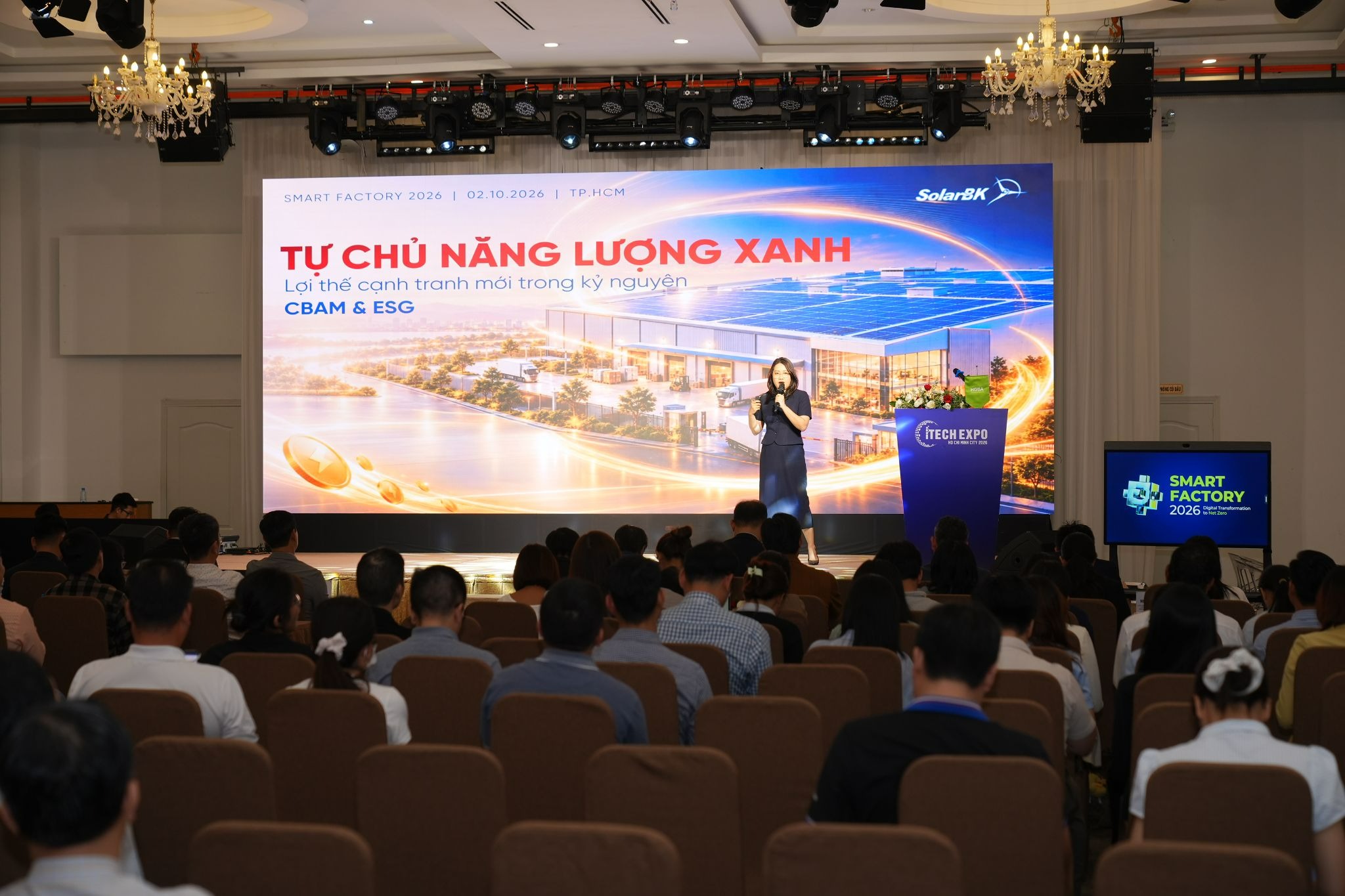
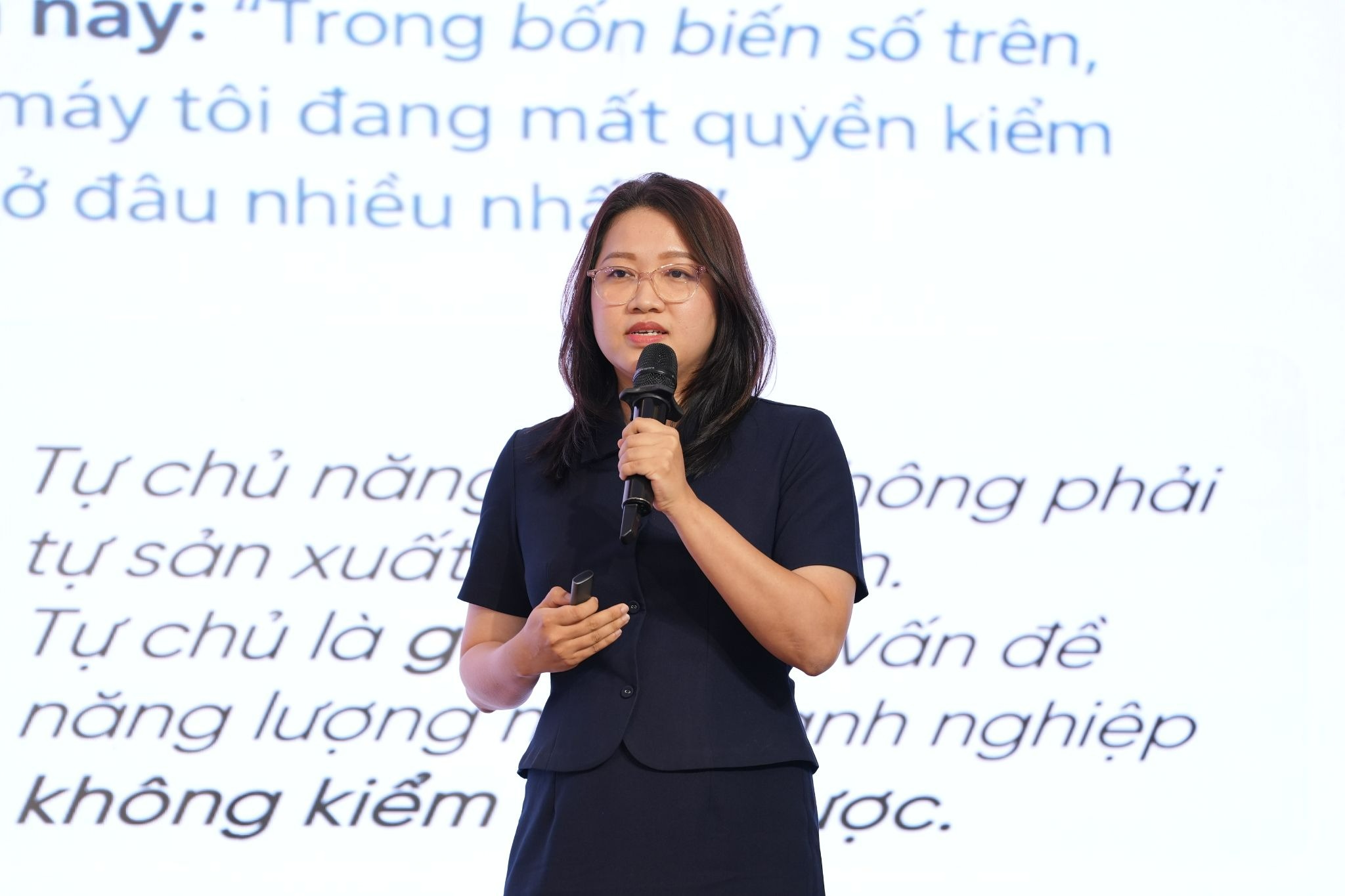
Ms. Nguyen Thuy Ngan, Brand & Sustainability Director of SolarBK, presented “Clean Energy Autonomy: A New Competitive Advantage for Vietnamese Factories in the Era of CBAM & ESG.
As carbon requirements extend deeper into global supply chains, energy is no longer simply an operating cost. Where electricity comes from, how it is used, and whether its environmental attributes can be measured and verified are becoming increasingly relevant to factory operations and long-term competitiveness.
At the forum, Ms. Nguyen Thuy Ngan, Brand & Sustainability Director of SolarBK, presented “Clean Energy Autonomy: A New Competitive Advantage for Vietnamese Factories in the Era of CBAM & ESG.
Rather than asking the familiar question, “How many MWp of rooftop solar should a factory install?”, the presentation raised a broader one: Which energy configuration can create the greatest value throughout the factory’s lifecycle?
Energy autonomy is about control, not complete independence
Energy autonomy does not necessarily mean going off-grid. Instead, it is about a company’s ability to progressively control four fundamental dimensions: how much energy it needs, where that energy comes from, when it is used, and how clean it is.
There is no single configuration for every factory. Facilities with high daytime loads may benefit from rooftop solar. Plants operating around the clock may require multiple energy sources. Those with significant peak demand may need Battery Energy Storage Systems (BESS), while exporters increasingly face requirements related to emissions and energy traceability.
At Smart Factory 2026, SolarBK reframed “energy autonomy”, not as complete independence from the grid or the need to own every energy asset, but as greater control over energy costs, sources, emissions and operational risks, enabling businesses to grow with greater confidence.
A factory’s energy strategy may therefore combine grid electricity, solar, BESS, direct power purchasing and energy management systems according to its load profile and operational goals.
The objective is not to adopt as many technologies as possible, but to choose the right configuration, at the right time, under the right investment model.
This is where technology meets finance. Manufacturers must also allocate capital to machinery, production lines, raw materials and capacity expansion. The clean energy transition therefore requires not only the right technology, but also the right investment structure.
ESCO: Clean energy without upfront capital pressure
One approach highlighted at Smart Factory 2026 was the ESCO (Energy Service Company) model.
Instead of requiring manufacturers to commit substantial upfront capital to own a solar system, ESCO allows factories to access clean energy without bearing the initial investment cost of the system — preserving financial resources for core business activities.
But ESCO is about more than “solar without upfront investment.” Before a project proceeds, factors including load profile, rooftop conditions, technical requirements and economic viability are assessed. Investment moves forward only when the project demonstrates the potential to create long-term value.
This shifts the question from “Does the company have enough capital to invest?” to “Is the project valuable enough to justify the investment?”
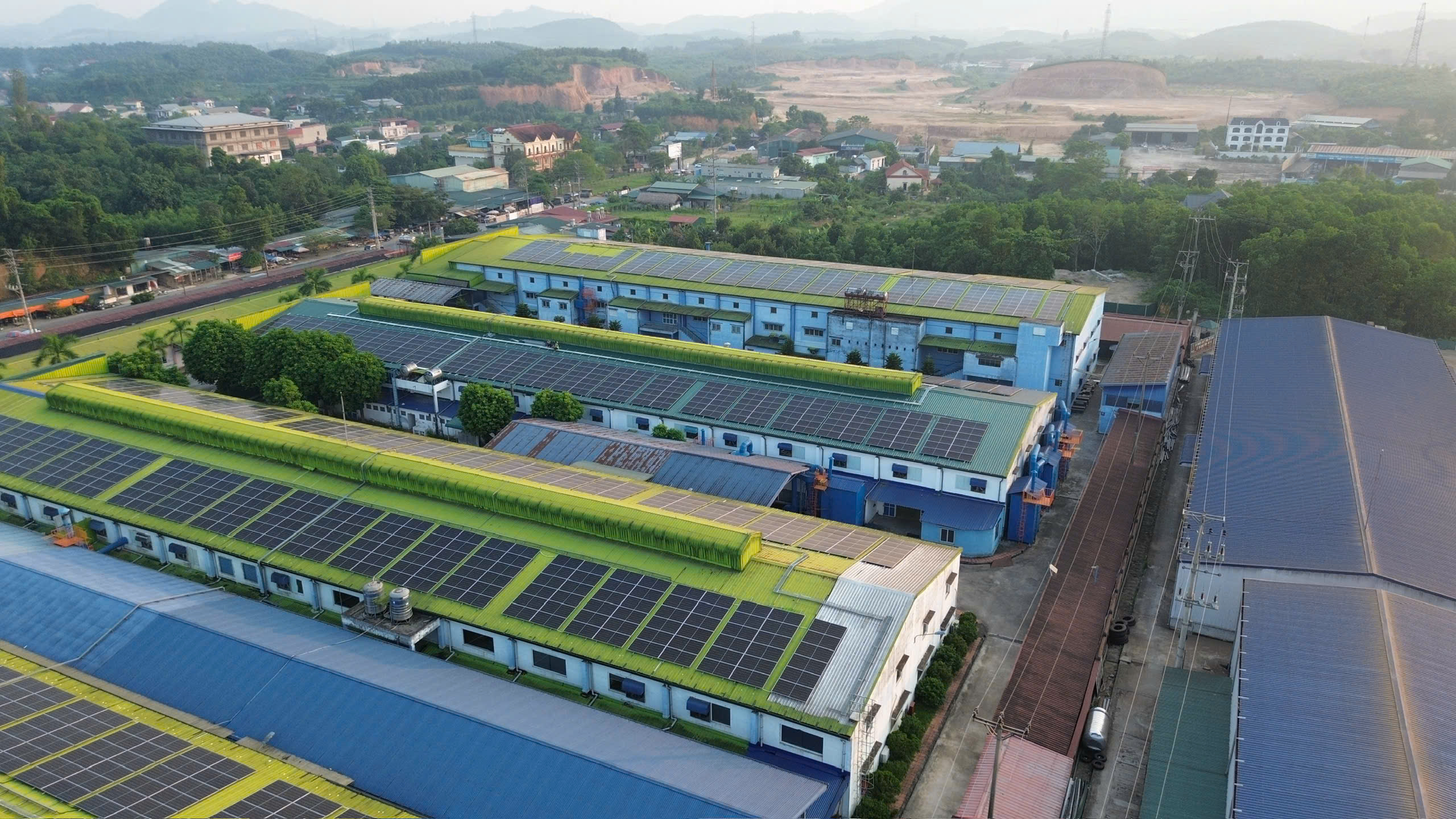
The SEDO Vinako project illustrates this approach through a simple principle: “Start right. Prove the value. Then scale.”
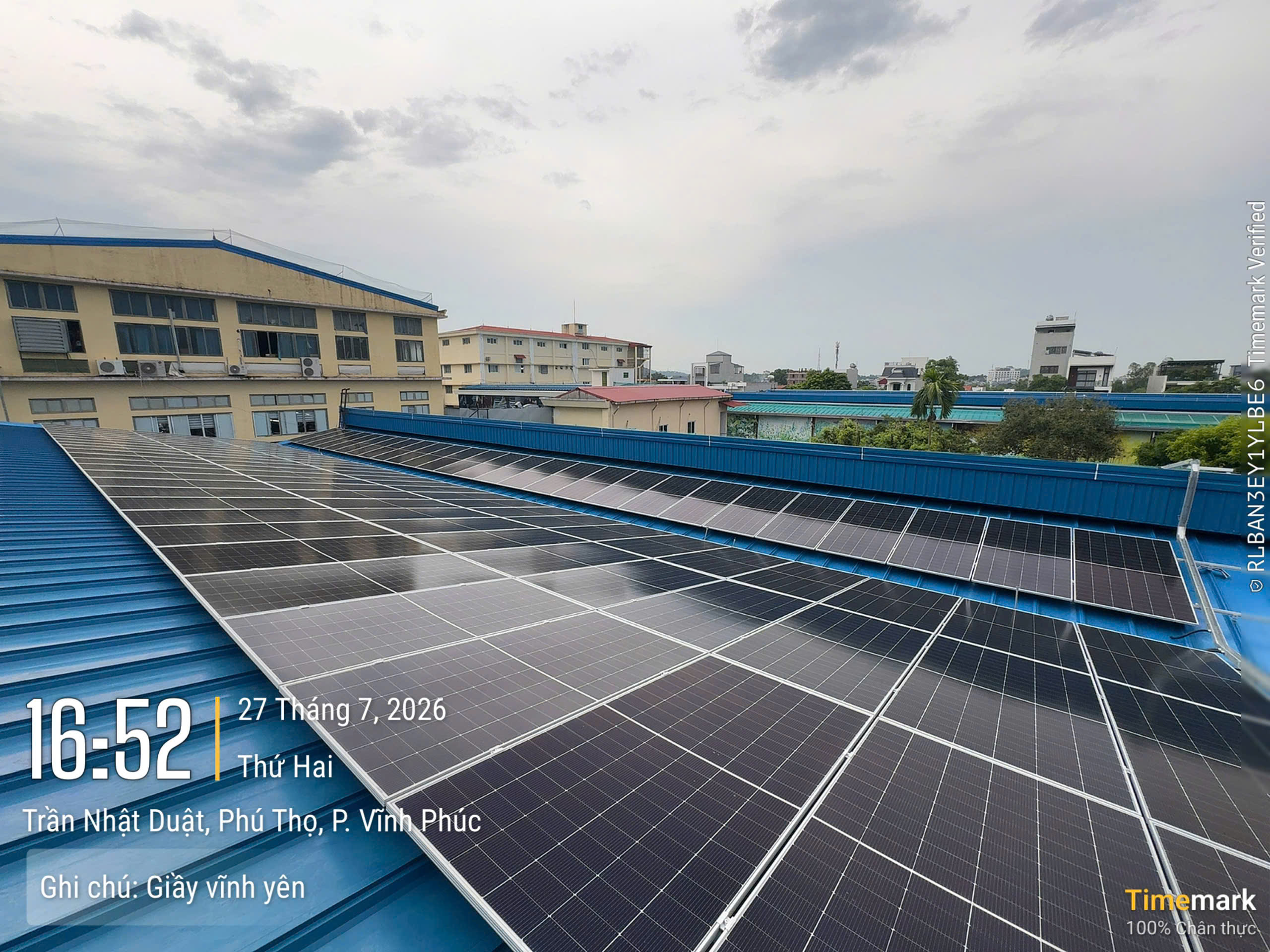
Phase 1 deployed 1,624.7 kWp of solar capacity under the ESCO model. Phase 2 expanded the system with 2,168.76 kWp of solar and 2,349 kWh of BESS.
Together, the two phases reached approximately 3.8 MWp of solar and 2.3 MWh of energy storage, with an expected annual output of around 5.3 million kWh of clean electricity, approximately VND 4.6 billion in electricity cost savings, around 3,700 tonnes of CO₂ emissions reduced, and approximately 5,300 I-RECs generated annually. Under the model presented at the forum, the customer’s upfront investment in the energy system is zero.
Yet the project’s value extends beyond electricity savings. BESS provides greater control over when energy is used; ESCO reduces upfront capital pressure; construction was carried out while the factory remained operational; and I-RECs support renewable energy traceability for customers and supply chains.
This reflects a broader concept presented at the forum: Total Energy Value — looking beyond direct savings to include reduced risks and the business advantages created by meeting increasingly stringent market requirements.
From solar to BESS, I-REC and DPPA: Greater choice, greater autonomy
If ESCO addresses the capital challenge, energy autonomy extends beyond solar.
Solar can be the starting point. BESS adds greater control over when energy is used. I-RECs help companies demonstrate the renewable origin of their electricity. Meanwhile, DPPA — Direct Power Purchase Agreements — can give large electricity consumers more options in choosing renewable energy sources and partners.
The Sonadezi Long Thanh case further expands this perspective from an individual factory to industrial park infrastructure. When factory rooftops, renewable generation and the energy demand of multiple customers are connected, rooftops can evolve from unused space into part of an energy asset base, creating additional value for industrial infrastructure.
Across ESCO, solar, BESS, I-REC and DPPA, the common thread is not how many solutions a company owns. It is the greater choice and control a business gains over its energy strategy.
“Energy autonomy does not mean doing everything yourself. It means progressively reducing what lies beyond your control.”
This idea captures SolarBK’s broader perspective on the future of energy.
After more than 20 years in the clean energy sector, SolarBK’s role is evolving beyond adding more megawatts of solar capacity to factory rooftops. From IREX’s technology and manufacturing capabilities to solar, energy storage, ESCO and emerging energy-access models, the ecosystem is being developed around a broader objective: helping businesses choose energy configurations that align with their operations, financial resources and long-term growth strategies.
In the ESG and Net Zero era, becoming a greener factory does not necessarily begin with investing more. It can begin with gaining greater control over energy, making smarter investment choices and preserving capital for growth.
That is how SolarBK sees the future of energy: not simply generating clean electricity, but enabling businesses to create, use, manage and unlock greater value from energy.
Energy then becomes more than a line on the electricity bill. It becomes part of a company’s operational strategy, financial strategy and long-term competitiveness.