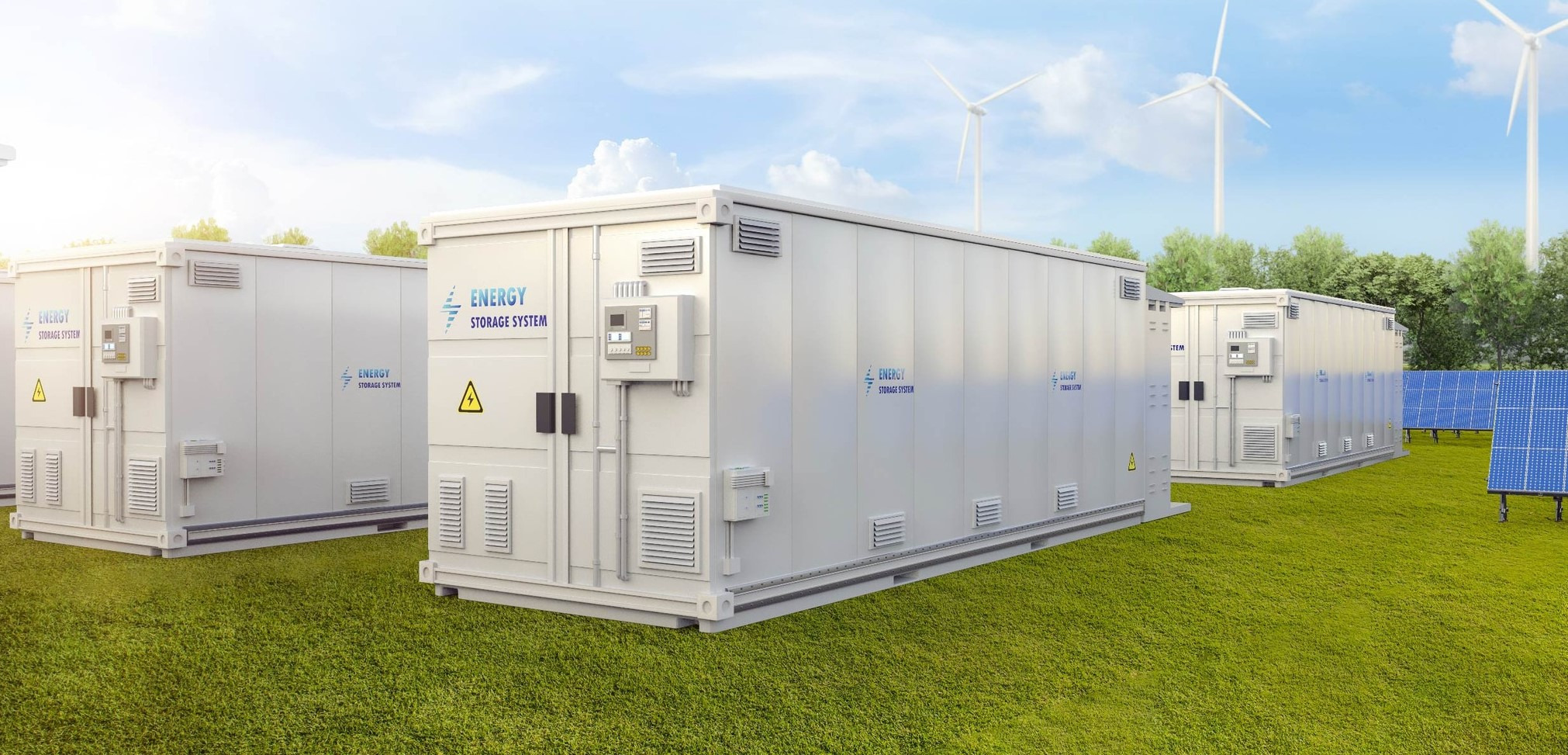
For many years, Battery Energy Storage Systems (BESS) were considered complementary solutions, primarily deployed in pilot projects or specific niche applications. However, entering 2026, this perception is shifting significantly. As multi-tier electricity pricing, load management requirements, and decarbonization pressures intensify, BESS is increasingly becoming an operational necessity rather than an experimental investment. From a Technical Challenge to an Economic Strategy Globally, the rapid expansion of solar and wind power has made energy storage a critical component for maintaining grid stability. For businesses, however, the value of BESS extends beyond grid reliability to direct economic performance.
As Vietnam gradually develops a competitive electricity market and applies time-of-use pricing mechanisms, BESS enables businesses to:
- Optimize costs by charging during off-peak hours and discharging during peak periods
- Reduce peak demand charges (peak shaving)
- Increase operational autonomy, particularly for continuous manufacturing facilities
When integrated with rooftop solar systems, BESS not only stores surplus energy but also acts as a load-balancing tool based on real-time operational data.
From Standalone Solution to Integrated Energy System In Vietnam, the BESS market remains in its early stages, yet demand is steadily emerging across industrial and commercial sectors. SolarBK is among the early movers in researching and deploying integrated storage solutions, rather than adopting a purely equipment-import model.
Its BESS solutions are customized to Vietnam’s tariff structures and load characteristics, combined with intelligent energy management platforms that optimize charging and discharging schedules. This integrated approach helps reduce payback risk and enhance long-term investment efficiency.
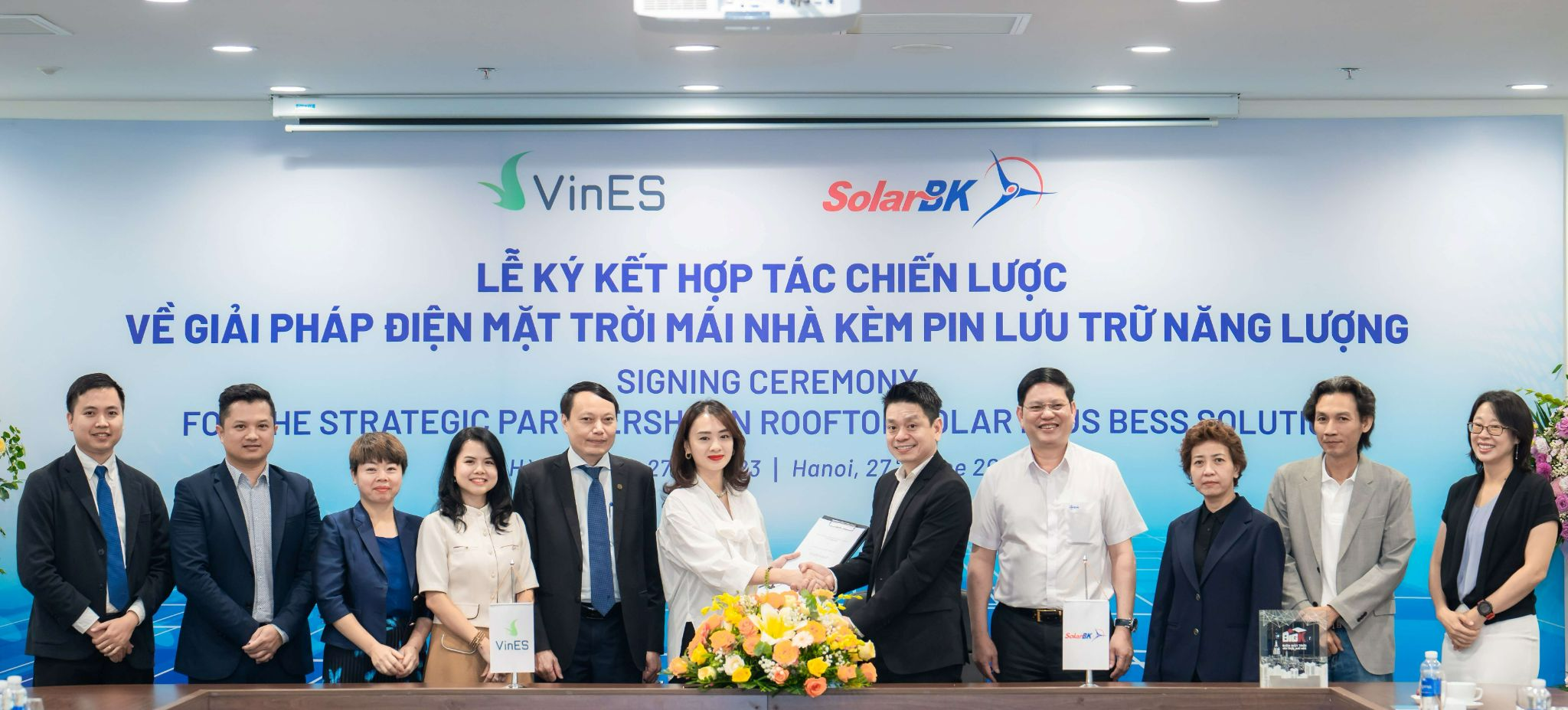
Since 2023, SolarBK has established a strategic partnership with VinES (Vingroup) to develop “Make in Vietnam” rooftop solar solutions integrated with energy storage. Solar + BESS systems have already been deployed in real-world applications, paving the way for broader commercialization from 2024 onward.
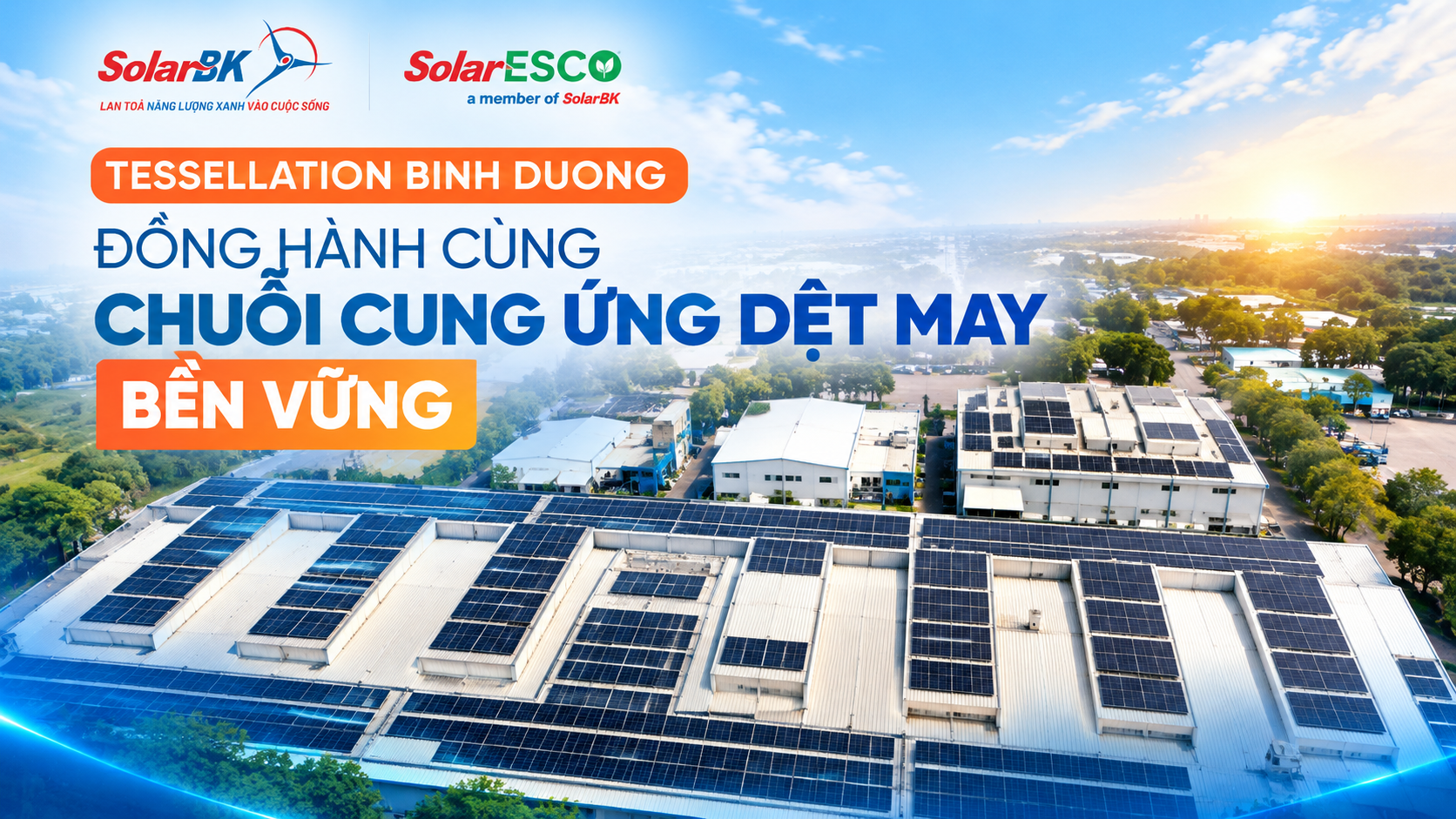
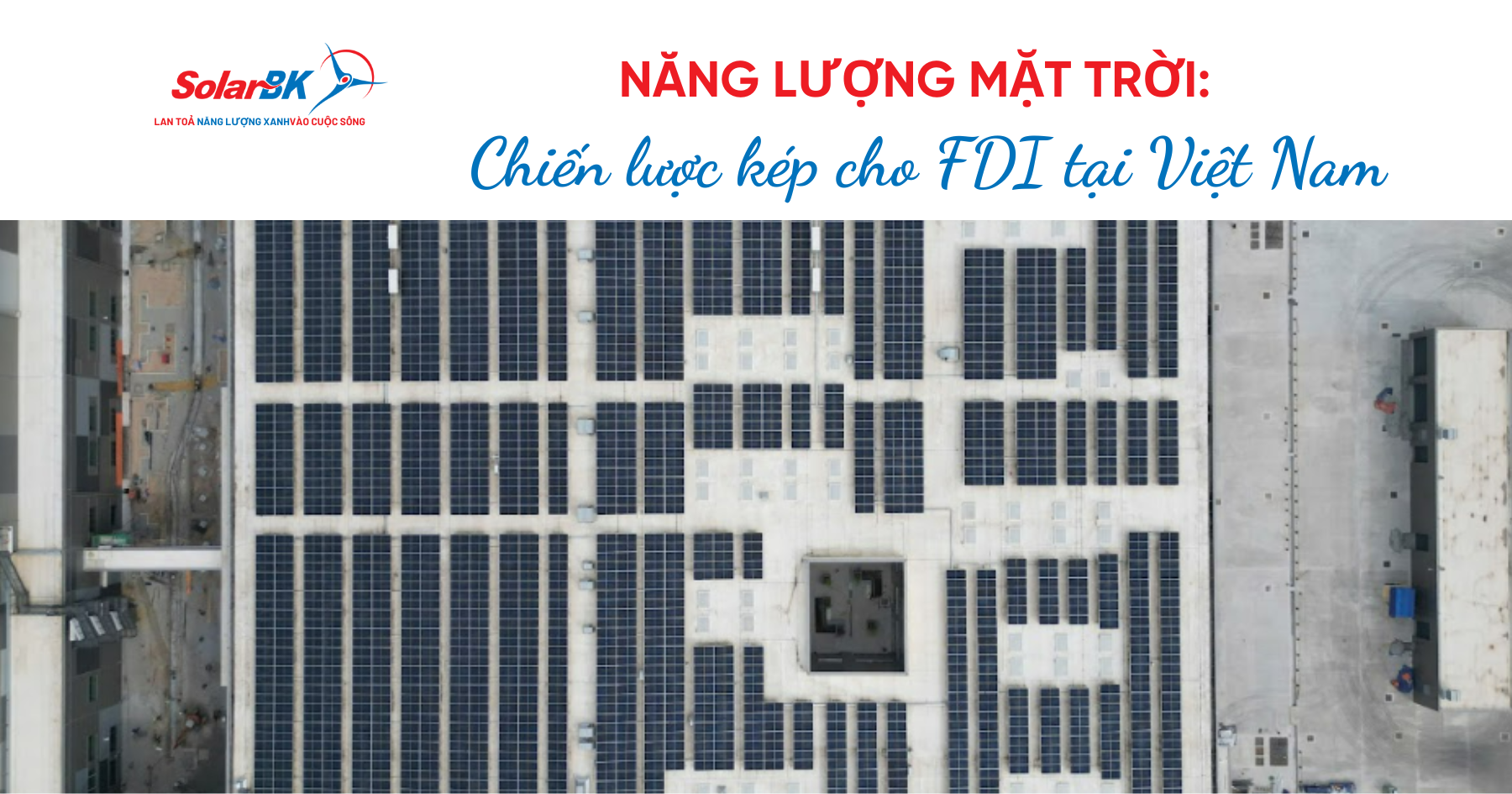
At the industrial level, global corporations operating in Vietnam are also adopting integrated storage models. The LEGO factory at VSIP III (Binh Duong), targeting carbon neutrality and renewable-powered operations, has implemented rooftop solar systems combined with energy storage. SolarBK served as the design and development partner for the solar system, contributing to the advancement of green industrial energy solutions.
2026 and Beyond: Storage as the Foundation of System Stability Energy transition is not merely about adding more renewable generation capacity. As the share of solar and wind increases, the power system requires intelligent storage and management infrastructure to ensure flexibility and stability.
BESS delivers maximum value only when embedded within a holistic system, aligned with load data, digital management platforms, and long-term corporate energy strategies. In this context, storage is not just a cost-optimization tool, but a mechanism for managing energy risk and strengthening competitiveness.
Entering 2026, BESS is no longer an optional add-on. It is steadily becoming an essential element of Vietnam’s green power infrastructure, where stability, autonomy, and operational efficiency define sustainable growth.